Silver Trails and Portable Darkrooms in the High Alps

Join a journey where altitude, chemistry, and patience meet. In this edition we explore film photography treks with pop-up darkroom camps in alpine villages, unfolding practical know-how, heartfelt encounters, and creative discipline that turns mountain light into tangible negatives and luminous prints made beneath canvas, stars, and shifting weather.

Gear that Travels: Cameras, Film, and Carriers Built for Altitude
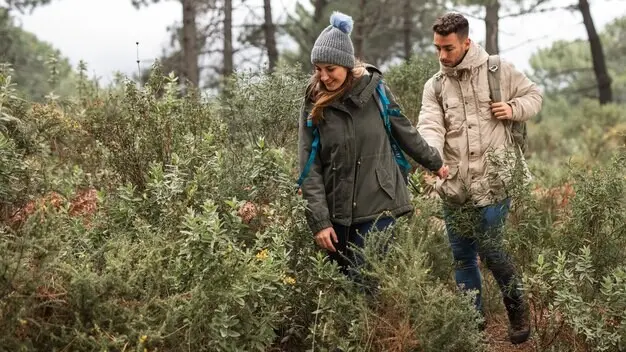
Ultralight decisions matter when every breath feels thinner. Here we compare mechanical reliability, battery behavior in frost, lens choices that simplify decisions, and packing methods that protect emulsions from jostling. Share your proven setups below so fellow hikers can refine their kits before the climb.
Metal shutters and simple electronics forgive mountain mornings, yet weight and sealing still decide comfort. Consider cloth curtains only with care, avoid brittle plastics, test rewind knobs with gloves, and practice loading by headlamp until muscle memory makes fumbling impossible.
Choose emulsions with generous latitude and tight grain when sunlight ricochets off snowfields. Classic ISO 100 stocks love tripods; pushable 400 films rescue shadows near cliffs. Bracket deliberately, cool-store rolls, and note reciprocity quirks before long exposures beneath starlit ice.
If the camera is buried, the photograph rarely happens. Chest pouches keep meters warm and shutters handy, while padded inserts tame sway inside alpine packs. Add safety tethers, wrap lenses in wool, and reserve outer pockets for wipes, meters, and snacks.

Light at Altitude: Metering, Filters, and Exposure Discipline

Thin air light, reflectivity, and swirling clouds complicate exposure. Learn to trust a spot meter, pre-visualize zones across snow and spruce, and use filters intentionally rather than habitually. Comment with your toughest lighting puzzle, and we’ll troubleshoot together for smarter negatives.

Spot Meter Strategies Above the Treeline

Meter from known values like sunlit snow placed lower than instinct suggests, then anchor mid-tones on lichen, faces, or weathered wood. Practice quick mental translations, carry a gray card, and rehearse readings while resting so decisions feel effortless when wind rises.

Polarizers, Yellow, and Red for Drama in Thin Air

Polarizers tame glare on lakes and slate rooftops, but mind uneven skies at ultra-wide angles. Yellow lifts clouds without heavy cost; red sculpts snow textures boldly. Test combinations, log results, and remember filters change meter behavior, gloves dexterity, and packing simplicity.

Bracketing Without Waste: Intentional Latitude

Shooting film far from stores demands restraint. Bracket only when composition is irreplaceable, and record reasoning in a pocket notebook for later learning. Favor steady technique, check breath control, and let wind lulls decide shutters rather than panicked second guesses.

Building the Pop-Up Darkroom: Safe, Clean, and Quick
A portable darkroom can be gentle on the landscape and reliable for work. Here we outline shelter options, lightproofing, chemical handling, and water ethics, so mountain nights become productive print sessions rather than messy improvisations. Subscribe for future recipes and tested workflows.

Shelter Choices and Lightproofing Tricks
Blackout fabric clips to trekking poles, forming a snug vestibule that survives gusts and sneaky moonbeams. Test seams with phone flash inside, add double curtains, and bury edges with snow or stones. Remember airflow; safe ventilation prevents headaches, condensation, and emulsion disasters.

Water, Temperature, and Chemical Logistics

Carry concentrates in dropper bottles, mix only what you need, and insulate trays with foam to steady reactions. Use meltwater responsibly with filters, track temperatures constantly, and favor low-tox developers to respect streams, your hands, and fragile high-altitude ecosystems.

Drying Lines, Dust Barriers, and Print Screens

Drying is where beautiful work dies or survives. Rig double lines, add clothespins with soft pads, and create mesh screens to guard wet prints from sparks and ash. Mist lightly to calm dust, and towel-dry tent floors before sleep.

People and Places: Alpine Villages Welcoming the Process

Mountain communities lend patience and warmth to long processes. By inviting neighbors to watch negatives emerge, you exchange curiosity for hospitality and learn names for winds, paths, and peaks. Offer portraits, listen generously, and credit places whenever images travel beyond the ridge.

Trading Stories with Shepherds and Bakers at Dawn

Pre-dawn ovens and hillside bells set the day's meter. Share coffee, explain trays and safelights, and ask about snows that never leave. Linger respectfully; these conversations shape trust, suggest vantage points, and sometimes reveal shortcuts that spare tired knees.

Asking Permission and Gifting Prints on the Spot

A small portrait given while steam curls from bread communicates gratitude better than words. Carry postcard paper, expose carefully, and develop beside the square. Present a dry print in waxed paper, note names, and promise a mailed enlargement after returning.
Sleeves, Notebooks, and Edge Markings That Survive Pack Life

Use archival pages inside rigid mailers, add silica packets, and mark edges with soft pencil before fatigue erases memory. Keep a weatherproof notebook tied to the binder rings, logging lens, filter, and exposure while snow quietly seals footprints behind you.

Emergency Salvage When Rain or Snow Invades

Protect hands first, then isolate wet negatives in clean water until a plan forms. Build a drying tunnel with spare jackets, blot gently, and accept that some frames will sacrifice for others. Share your rescues below to strengthen our collective preparedness.

Cataloging on the Move with Voice Notes and Maps

When fingers are numb, speech captures details notebooks miss. Record coordinates, names, and filter choices, then sync with a printed map that lives in your kit. Later, transcribe calmly, building a lineage from trail to contact sheet and print sequence.

Protecting Negatives and Prints: Archival Habits on the Trail

Art can survive backpacks, rivers, and rough landings if protected intentionally. Build routines before morning hikes, label everything plainly, and treat sleeves like lifeboats. When the unexpected arrives, act methodically, breathe slowly, and salvage important frames rather than surrendering hope.

Routes, Safety, and Seasons: Planning for Creative Endurance
Choosing when and where to walk determines whether chemistry and composition harmonize. We weigh snowpack, daylight arcs, hut availability, and village calendars to balance safety with patient craft. Add your regional insights in comments to guide future trips and friendships.

Choosing Lines that Serve Composition and Safety
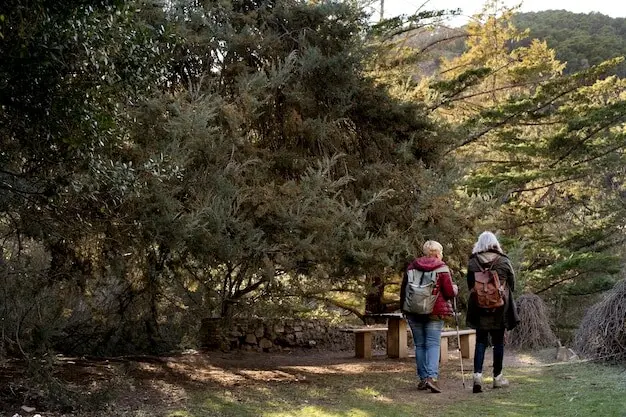
Look for repeating ridgelines, zigzagging paths, and safe foregrounds where tripods anchor without blocking locals. Avoid avalanche gullies, respect closures, and scout exits before twilight. Composition thrives when feet feel secure, leaving more attention for breath, metering, and story.

Acclimatization, Nutrition, and Pace for Steady Hands

Slow ascents protect clarity more than any stabilization device. Hydrate consistently, snack on complex carbs, and time exposures between heartbeats. Gloves that fit preserve dexterity, while steady pace keeps horizons level and prevents reckless choices when thunder urges haste.
Mirazentotavonovikira
Privacy Overview

This website uses cookies so that we can provide you with the best user experience possible. Cookie information is stored in your browser and performs functions such as recognising you when you return to our website and helping our team to understand which sections of the website you find most interesting and useful.